
Low testosterone has become an epidemic. Average testosterone levels have been dropping over the past 20 years, some studies seeing a 25% decline or greater. This comes with a lot of symptoms and conditions affecting mood, reproductive health, libido, athletic performance, heart health and more. Many men are turning to TRT to raise their testosterone levels. Read about the pros and cons of TRT here. If you want to learn how to naturally increase testosterone and feel healthier than ever, keep reading.
Nutrition to Naturally Boost Testosterone
Without the proper “building blocks” you can’t make an adequate amount of testosterone. Here is a very simplified version of how you make testosterone.
Fats → Cholesterol → Pregnenolone → DHEA → Androstenedione → Testosterone
It all starts with healthy fats, specifically saturated fats, which are needed for the production of testosterone. High protein diets are also shown to naturally increase testosterone production. I’ve talked in other articles about the importance of eating animal proteins as these are easier for the body to absorb and will be a complete protein.
Stress can “hijack” this pathway and take a different route to make more cortisol:
Fats → Cholesterol → Pregnenolone → Cortisol
Instead of making testosterone, chronic stress leads to more cortisol and less testosterone. Read more about that in my Cortisol and Testosterone: How Stress Is Lowering Your T post.
Here is a list of the most important micronutrients for producing testosterone:
- Selenium
- Zinc
- Vitamin A
- Vitamin E
- Vitamin B3
- Vitamin B5
All of these nutrients can be found in animal foods, so if you eat enough high-quality protein, you should be getting what you need. Of course, there are times you need to specifically bring one of these nutrients up, and that’s where supplementing what you need can help a lot.
Signal Natural Testosterone Production
Without doing the things that tell your body you need more testosterone you won’t see increases in your testosterone. Here are several lifestyle factors that can naturally increase testosterone levels.
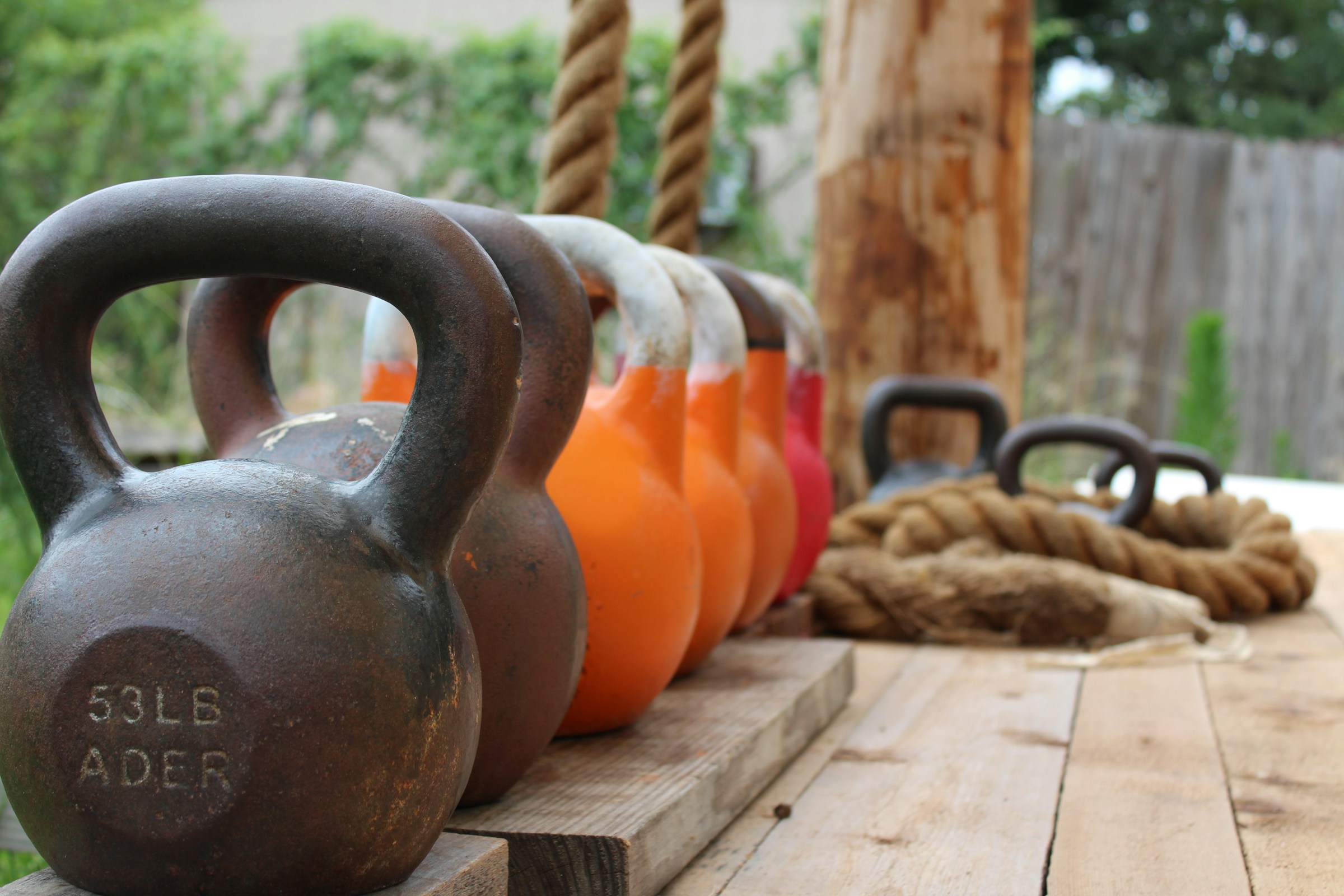
Pick up Heavy Things and Put Them Down
One of the best ways to raise your testosterone naturally is with strength training. Anything that challenges your body to move weight that feels heavy to you will work, but if you want an even better improvement get off the machines and use free weights.
High intensity exercises like sprints or HIIT workouts are also shown to naturally improve testosterone and growth hormone production. Add a HIIT workout day or two to your week for a natural boost to your testosterone.
Don’t forget to continue doing aerobic exercise. This improves your ability to digest and utilize fats. Good aerobic fitness also gives you a stronger base to sustain longer and more intense weight-lifting sessions.
Sleep Can Naturally Increase Testosterone
The majority of testosterone for the day is released during sleep, this is why a healthy male will wake up with an erection. This is a sign of good cardiovascular health and adequate testosterone levels.
Proper sleep is imperative to adequate testosterone production. In one study, sleeping 5 hours a night for just 1 week lowered testosterone levels by 10-15%. If you aren’t sleeping well, check out my article on sleep to learn more about good sleep hygiene. There is a lot that can affect sleep, such as infections, slow liver metabolism, gallbladder issues, etc. so work with a skilled health professional to determine the cause of your sleep disturbances.
Stop Aromatization
As I mentioned earlier, testosterone can be converted to estrogen in different situations. High insulin due to eating too many carbs/sugars signals the conversion of testosterone into estrogen. This type of diet often leads to an increase in body fat percentage which also signals more estrogen release and testosterone to estrogen conversion. Chronically high cortisol levels will also increase aromatization of testosterone to estrogen.
Cortisol + Insulin + High body fat = A high estrogen male
The good news is you can control all three variables in that formula. My recommendation is to take control of your diet and exercise, and the cortisol will likely come down as a result.
Avoid Xeno- and Phytoestrogens
There are many compounds and chemicals that can act like estrogens in the body. Some are harder to avoid than others. Here is a list of what can act like an estrogen:
- Plastics (such as BPA)
- Soy (don’t be a soy boy)
- Pesticides (DDT, atrazine, Round-Up, etc…)
- Phthalates
- Flame-retardants
- Industrial solvents/lubricants
Avoid using products with these compounds in them as much as possible. A hot drink in a plastic cup is a good way to get a plastic/estrogen tea. It’ll be hard to avoid all plastics and I will still drink an iced coffee from a plastic cup when traveling. Don’t stress about the infrequent use of plastics but try to structure your home and lifestyle so the use of plastic is minimized. The goal is to reduce your toxic load to maximize your health, without becoming so stressed about being perfect that you have a new issue.
Dopamine and Testosterone
Dopamine and testosterone complement each other amazingly. Testosterone signals more dopamine, dopamine increases luteinizing hormone, and luteinizing hormone increases testosterone. To simplify it:
More testosterone = more dopamine = more testosterone = more dopamine…
Of course, it doesn’t keep going up and up forever, but you get the point. You may have less than optimal testosterone because you aren’t making adequate dopamine or vice versa.
We live in a world of very constant and cheap dopamine. Scrolling on social media gives us an easy but unfulfilling dopamine hit. An easy way to help fix this would be to go for a walk and leave the phone at home. Then when you do get home from the walk rather than beginning to scroll endlessly on your favorite platform, do some of the tasks that you have been putting off. Most of us have some tasks that would only take 5 or less minutes to complete but we let them pile up and they become overwhelming, I refer to these as “I shoulds”. I should do that laundry, I should clean up that thing, I should organize that, etc. Pick the easiest one and do it, let that dopamine hit from completing one task become the momentum to do the next easiest task. Ride that wave until all your “I shoulds” are done. This will give you a sense of accomplishment and reduce your cortisol as now your to do list is much shorter.
Test, Don’t Guess
If you’ve worked on the basics and still don’t feel like yourself, it’s time to test. A morning blood test is the standard, but most standard blood panels only measure total testosterone. Most of that testosterone is bound to proteins, and only a small portion is free for your body to use. That’s why I prefer a salivary hormone panel, which reflects your free testosterone. It shows what your body is actually working with and helps me find what’s holding your levels down.
Frequently Asked Questions
How long does it take to raise testosterone naturally?
Most guys start to notice better energy, sleep, and drive within a few weeks of fixing the basics. Changes in lab numbers usually take longer, often two to three months, because your body needs time to rebuild and recover.
What foods help increase testosterone?
Start with high-quality animal protein and healthy fats like red meat, eggs, oysters, liver, and grass-fed butter. These give your body the cholesterol it uses to make testosterone, plus nutrients like zinc, vitamin A, and selenium. Eating enough overall matters just as much as what you eat.
Does lifting weights increase testosterone?
Yes. Strength training, especially heavy compound lifts with free weights, is one of the best natural ways to support testosterone. It also helps by building muscle and lowering body fat. Just make sure you’re recovering, because training hard without enough sleep and food can push testosterone the other way.
Can you raise testosterone without TRT?
For most men, yes. Unless there’s damage to the testicles or a tumor affecting hormone production, low testosterone usually has a cause you can fix, like poor sleep, stress, extra body fat, or nutrient deficiencies. TRT can raise the number, but it doesn’t fix why it was low.
Can young men have low testosterone?
Yes, and it’s becoming more common. Average testosterone in young men has dropped significantly over the past two decades. I cover the most common causes in Low Testosterone in Your 20s and 30s.
How do I know if my testosterone is low?
Common signs include low energy, low libido, fewer morning erections, stalled progress in the gym, and gaining fat around your midsection. The only way to know for sure is to test. I prefer a salivary hormone panel because it shows your free testosterone, the testosterone your body is actually using.
Let me know what questions you have and if any of this was valuable to you in the comments below.
Want the Full Picture?
This is one piece of a bigger approach to testosterone, energy, and performance. See how it all fits together, and what natural options look like before you consider TRT.
Or book a free 15-minute consult with Dr. Watts.














Leave a Reply
You must be logged in to post a comment.